

Written by Ishika Rana and Rifat Islam, Girl Icon alumni of Milaan, who bring their perspectives and lived experiences to this conversation on teenage girls’ agency, leadership, and the power of peer-led change.
Kuch saal pehle agar koi usse poochta ki tum apne future me kya karna chahti ho, to shayad wo jawaab dene se pehle ruk jaati. Sapne uske paas bhi the lekin use kabhi nahi laga ki uski opinion bhi utni hi important hai jitni dusron ki. Jaise bahut si teenager girls ke saath hota hai, uske liye bhi decisions aksar usse pooche bina hi le liye jaate the. Usse bas sunna, maan lena aur adjust karna sikhaya gaya tha.
Mere ghar ke paas ek ladki rehti thi. Uski bahut kam umar me shaadi kar di gayi. Us waqt mujhe lagta tha ki shayad mera future bhi kuch aisa hi hoga.
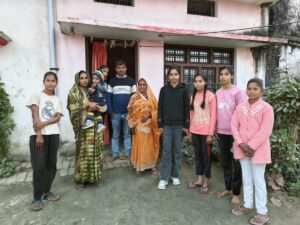
Maine kabhi socha hi nahi tha ki meri life kisi aur direction me ja sakti hai.
Phir meri life me Milaan aaya. Milaan ne sirf mujhe naye opportunities nahi diye, balki mujhe ye realise karaya ki meri voice bhi matter karti hai. Wahan maine sawal poochna seekha, apni baat rakhna seekha aur dheere dheere khud par bharosa karna bhi. Ye change ek din me nahi aaya. Is journey me bahut learning thi, bahut mistakes thi aur bahut saari chhoti chhoti wins bhi thi. Aaj mujhe lagta hai ki agar meri zindagi ke decisions mere baare me hain, to un decisions me meri awaaz bhi honi chahiye.
When teenagers Lead, Communities Change
Hum aksar sunte hain ki aaj ka yuva kal ka neta hai, par kal ka kyun, aaj kyun nahi?
Jab teenagers ko leadership ke opportunities milte hain, to wo sirf participate nahi karte, balki naye ideas bhi lekar aate hain. Wo apni community ki problems ko isliye achhe se samajhte hain kyunki wo khud un situations ko face kar rahe hote hain.
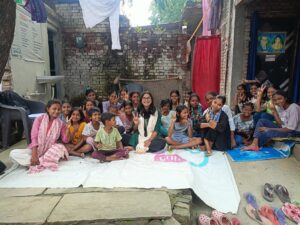
Maine apni journey me dekha hai ki ek confident teenager pura group inspire kar sakta hai. Jab ek ladki bolna shuru karti hai, to dheere-dheere dusri ladkiyan bhi apni baat rakhna shuru kar deti hain.
Leadership sirf stage par speech dena nahi hota. Kabhi-kabhi leadership ki shuruaat ek difficult question poochne se hoti hai. Kabhi apni baat confidently rakhne se hoti hai.
Girls se aksar kaha jata hai ki ghar ki responsibility sambhalo. Lekin agar wahi girls community ki responsibility bhi lein, to wo sirf apni nahi, poori community ki soch badal sakti hain.
- Decision-making confidence se bada outcome hai.
- Responsibility se leadership aati hai.
- Speaking ke saath listening bhi leadership hai.
- Girls help lene wali se help dene wali banti hain.
- Community unhe resource person ke roop mein dekhne lagti hai.
- Questions puchhna shuru karti hain.
- Fear “log kya kahenge” se “main aur achha kaise karun” mein badal jata hai.
- Identity shift: “Main sirf gaon ki ladki nahi, community leader hoon.”
Changing Minds Starts at Home
Agency sirf ek individual tak seemit nahi rehti. Wo families aur communities ko bhi influence karti hai.
Bhut saare social norms aaj bhi girls ko rokne ki koshish karte hain. Lekin change hamesha kisi bade campaign se nahi aata. Kabhi-kabhi wo parents ke saath ek chhoti si conversation se shuru hota hai. Kabhi siblings, relatives ya neighbours ke saath baat karne se.
“Phone rakh do.” → “Meeting kab khatam hogi?”
Shuruaat mein kai families phone ko sirf time waste ya distraction samajhti hain. Lekin jab unhe samajh aata hai ki phone learning, trainings aur meetings ka hissa hai, to unka nazariya badalne lagta hai.
“Kahan ja rahi ho?” → “Safely pahunch jana.”
Pehle family ka focus sirf rokne par hota hai. Dheere-dheere jab trust banta hai, to wahi concern support mein badal jata hai.
“Nahi jana.” → “Ticket book kar di?”
Yeh sirf travel ki permission nahi hai, balki trust ka badhna hai.
“Iski training chal rahi hai, ise disturb mat karo.”
Ghar wale teenager ki learning ko importance dene lagte hain.
Permission → Partnership
Shuruaat mein teenagers har chhoti baat ke liye permission mangte hain. Dheere-dheere family unke saath milkar decisions lene lagti hai.
Parents opinion puchhne lagte hain.
Maa protect karne se trust karne lagti hai.
Parents bhi gender, education aur opportunities ke baare mein seekhte hain.
“Ye ladki bahut ghoomti hai.” → “Isse pucho.”
“Ladki bahar nahi jayegi.” → “Ja sakti hai.”
Jab families girls ki baat sunna shuru karti hain aur unki choices ko importance deti hain, tabhi real change possible hota hai.

English Translation
A few years ago, if someone had asked her what she wanted to do in the future, she might have paused before answering.
She had dreams, but she did not believe that her opinions mattered as much as those of others. Like many teenager girls, she had learned to listen, agree and adjust. Decisions about her life were often made without asking her what she wanted.
A girl who lived near her home was married at a very young age. Watching her life unfold, she began to believe that her own future might look the same. She had never imagined that her life could take a different direction.
Then Milaan became part of her journey.
Milaan did not simply offer her new opportunities. It helped her realise that her voice mattered. She learned to ask questions, express her opinions and gradually trust herself. This transformation did not happen overnight. It involved learning, mistakes and many small victories.
Over time, she began to understand an important principle: when decisions are being made about her life, her voice must be part of those decisions.
That is where teenager agency begins.
Agency Begins with a Voice
Building agency means helping teenagers recognise that they have the right and ability to think, choose, speak and act.
For teenager girls, this often requires challenging the expectations that have shaped their lives. They may have been taught to remain silent, seek permission for every decision or prioritise everyone else’s needs before their own.
Agency helps them move from:
Remaining silent to asking questions.
Accepting decisions to participating in them.
Seeking permission to sharing responsibility.
Depending on others for solutions to finding solutions themselves.
Seeing themselves as beneficiaries to becoming leaders and changemakers.
For her, asking a difficult question was an early act of leadership. So was expressing an opinion, making a decision and speaking confidently in front of others.
Leadership does not always begin on a stage. Sometimes, it begins in a classroom, a family conversation or a community meeting.
When teenagers Lead, Communities Change
People often say that young people are the leaders of tomorrow. But teenagers do not need to wait until tomorrow to lead.
When they receive meaningful leadership opportunities, they contribute ideas and solutions that are grounded in their lived experiences. They understand the challenges in their communities because they experience them directly.
One confident teenager girl can inspire others. When she starts speaking, other girls often find the courage to express themselves too.
As teenager girls build agency, they begin to:
Participate more actively in decision-making.
Take responsibility for their ideas and actions.
Listen to others with empathy.
Share knowledge with their peers.
Support other girls in accessing opportunities.
Become trusted resource persons in their communities.
Replace the fear of “what will people say?” with the question, “How can I do this better?”
Their identities also begin to shift. They no longer see themselves only as girls from a village or community. They begin to see themselves as learners, leaders, mentors and community members whose contributions matter.
Change Begins at Home
Agency does not remain limited to the individual. It gradually influences families and communities.
Many families initially see a girl’s phone use as a distraction. The conversation may begin with:
“Put your phone away.”
But when the family understands that the phone is being used for learning, training sessions and meetings, the question may change to:
“When will your meeting end?”
Similarly, concern about a girl’s mobility can slowly become support.
“Where are you going?”
may become:
“Reach safely.”
A refusal to let her travel may eventually become:
“Have you booked your ticket?”
These changes represent more than permission. They reflect the growth of trust.
Families may also begin to recognise the value of her learning:
“She is attending a training. Please do not disturb her.”
Over time, permission can become partnership. Parents begin asking for her opinion and including her in decisions. Mothers may move from only protecting their daughters to trusting them.
The community’s perception can change as well:
“She goes out too much.”
can become:
“Ask her. She may know.”
“Girls should not go outside.”
can become:
“She can go.”
When families listen to girls and respect their choices, they create the foundation for lasting agency.
Learning Through Teaching
Teaching others is another important way of building teenager agency.
When girls share what they have learned with their peers, they strengthen their own understanding while helping others access information and opportunities.
Peer learning enables teenagers to develop:
Confidence in communication.
Stronger listening skills.
Empathy and patience.
A deeper understanding of issues.
A sense of responsibility towards others.
When one teenager girl shares her learning with 15 or 20 other girls, she is not merely passing on information. She is practising leadership and creating space for others to grow.
Teaching, therefore, is not only about sharing knowledge. It is about developing new leaders who can continue supporting and empowering other teenagers.
Agency can move from one girl to another, and from a group of girls to the wider community.
Mentorship Builds Self-Belief
Every teenager girl needs at least one person who believes in her.
A mentor may not provide an answer to every problem. Instead, a mentor listens, offers direction and creates a safe space where the teenager can think, question and make decisions.
For the girl in this story, Milaan’s mentors played this role. They encouraged her, trusted her and helped her understand that she was capable of finding solutions herself.
With the support of mentors, teenagers can:
Become less afraid of failure.
See mistakes as opportunities to learn.
Set long-term goals.
Build supportive networks.
Develop confidence in their abilities.
Take on new responsibilities.
Sometimes, one person’s belief can change the direction of an teenager’s life.
Opportunities Expand Aspirations
A scholarship is more than financial assistance. It is also recognition, dignity and encouragement.
It tells an teenager girl that her hard work has been seen and that her potential is valued.
Exposure visits, workshops, conferences, leadership programmes and opportunities to travel can expand the way girls imagine their futures. These experiences can help them explore career choices, build networks and see possibilities beyond the limitations around them.
Opportunities help teenagers:
Discover new aspirations.
Understand different education and career pathways.
Build relationships with peers and mentors.
Develop confidence and independence.
Take initiative and lead others.
See themselves as capable decision-makers.
The girl’s own experience taught her that teenagers do not lack talent or courage. What they often lack are opportunities and safe spaces where their potential can emerge.
Building Agency Is a Collective Responsibility
Building teenager agency requires more than asking girls to be confident. It requires families, communities, organisations and institutions to create the conditions in which confidence can grow.
teenagers need:
Safe spaces to speak and ask questions.
Adults who listen to and respect their opinions.
Mentors who encourage rather than control.
Opportunities to lead and make decisions.
Access to information, education and networks.
The freedom to learn from mistakes.
Families that move from restriction to trust.
When we invest in teenager agency, we invest not only in one girl but also in her family, her community and a more equal future.
An teenager girl already carries talent, courage and ideas. The right support helps her recognise those qualities and use them.
One girl finding her voice can encourage another girl to speak. One girl taking responsibility can inspire others to lead. And when girls begin to believe in themselves, communities begin to change.
Building teenager agency is, ultimately, about helping girls move from being spoken for to speaking for themselves, and from finding their own voice to helping others find theirs.